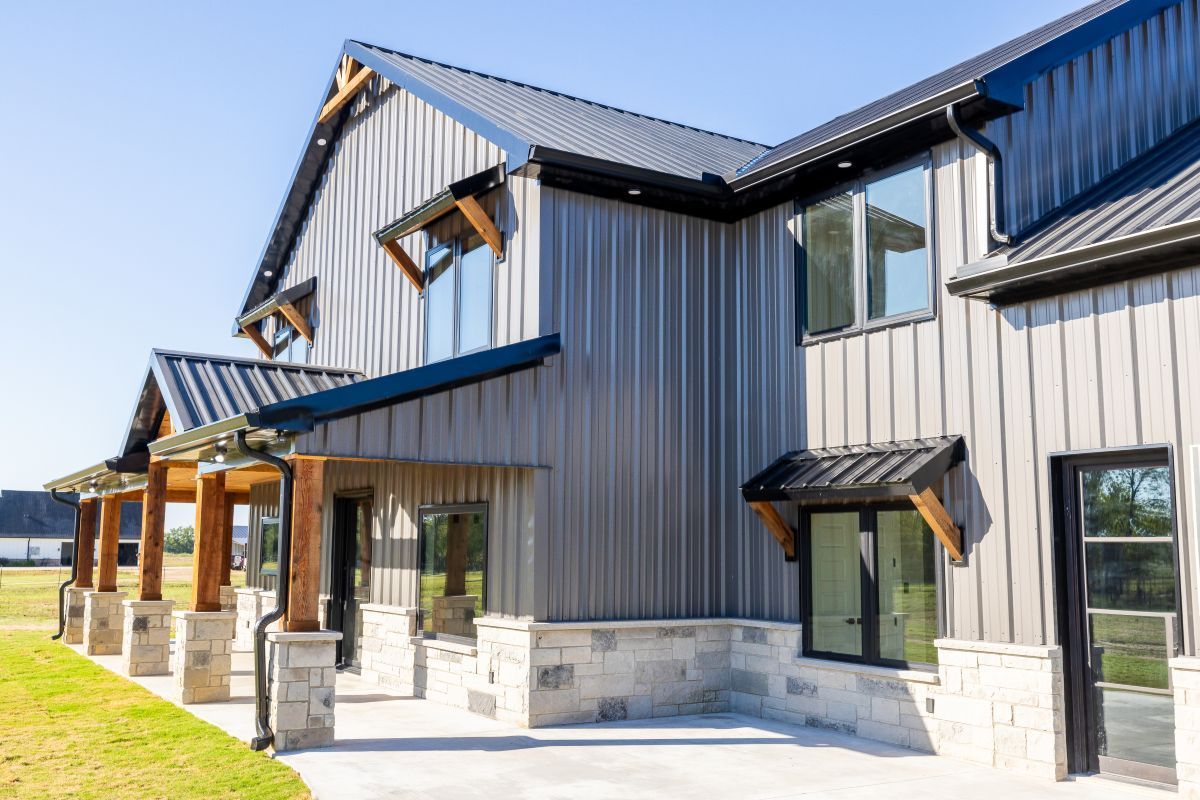
The Pre-Winter Building Envelope: Why October Is the Real Stress Test for High-End Roofs
Prepare Your High-End Roof For Central PA's Harsh Winter Weather
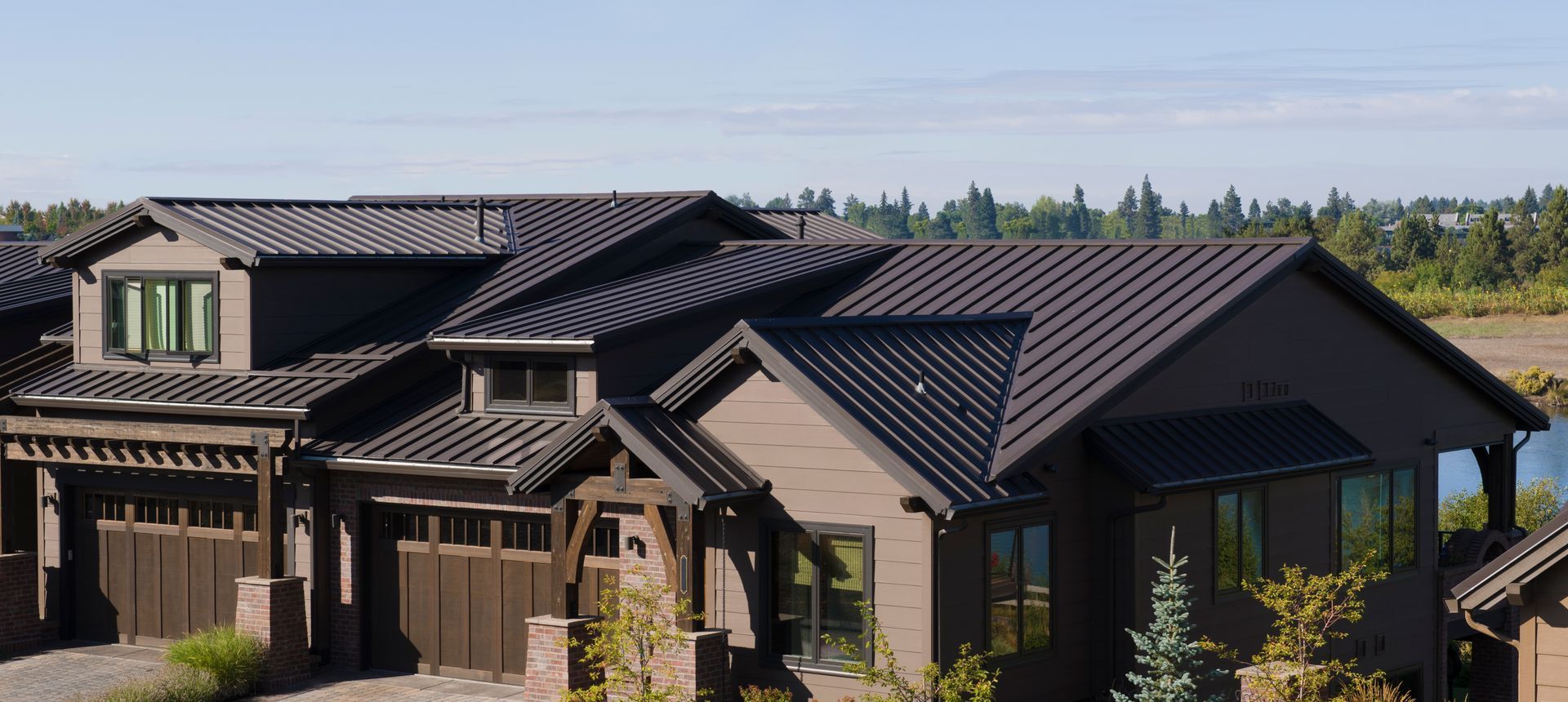
If you own a custom property in State College, Port Matilda, or Boalsburg, you already know the transition into late fall is fast. One week you have mild afternoons, and the next you are dealing with freezing overnight temperatures and heavy mountain rain.
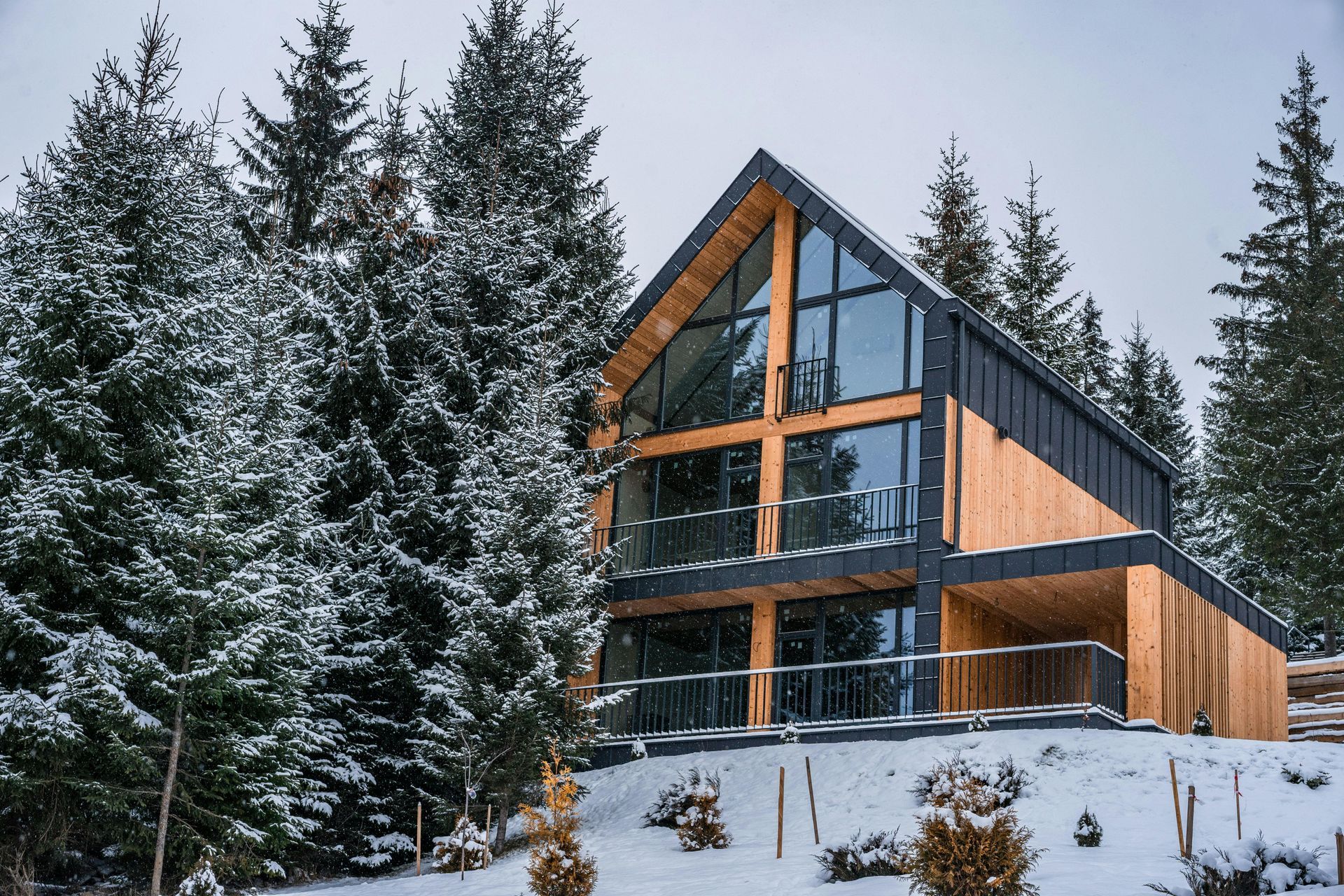
For high-end residential builds, October is less about decorative fall prep and more about closing out vulnerabilities before snow and ice lock in. The roof is the largest, most exposed surface on the structure. If it was built with conventional materials, this is usually when small, invisible defects turn into noticeable problems.
Upgrading to a Midtech standing seam system changes that dynamic entirely. Instead of running seasonal maintenance checklists or worrying about how your roof will hold up through another Appalachian winter, you get an engineered exterior that simply does its job..
Why Standard Shingles Struggle Between October and March
Most residential roofing failures do not start with a massive January blizzard. They start in October and November with subtle material fatigue.
Asphalt shingles rely on surface granules and petroleum-based adhesives to stay sealed down. Through years of sun and seasonal temperature shifts, those adhesive strips lose flexibility. In valleys like Centre Hall, Lemont, and Bellefonte, late autumn wind gusts get under the edges of loose shingles, breaking the seal.
When chilly late-fall rain gets driven under those tabs and freezes overnight, ice expansion lifts the material even further. By the time heavy snow loads settle on the roof in mid-winter, moisture has an open path straight to the roof deck.
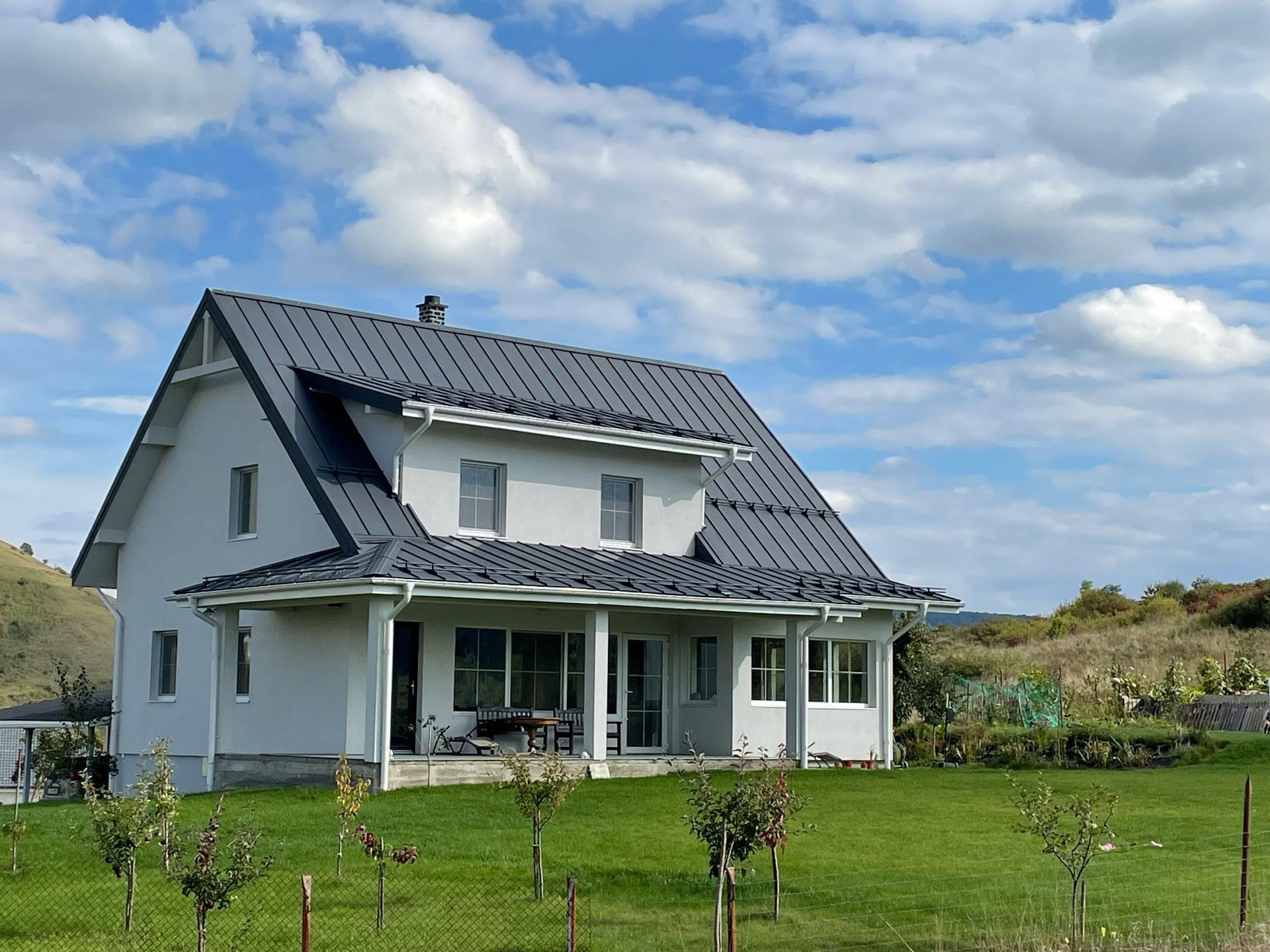
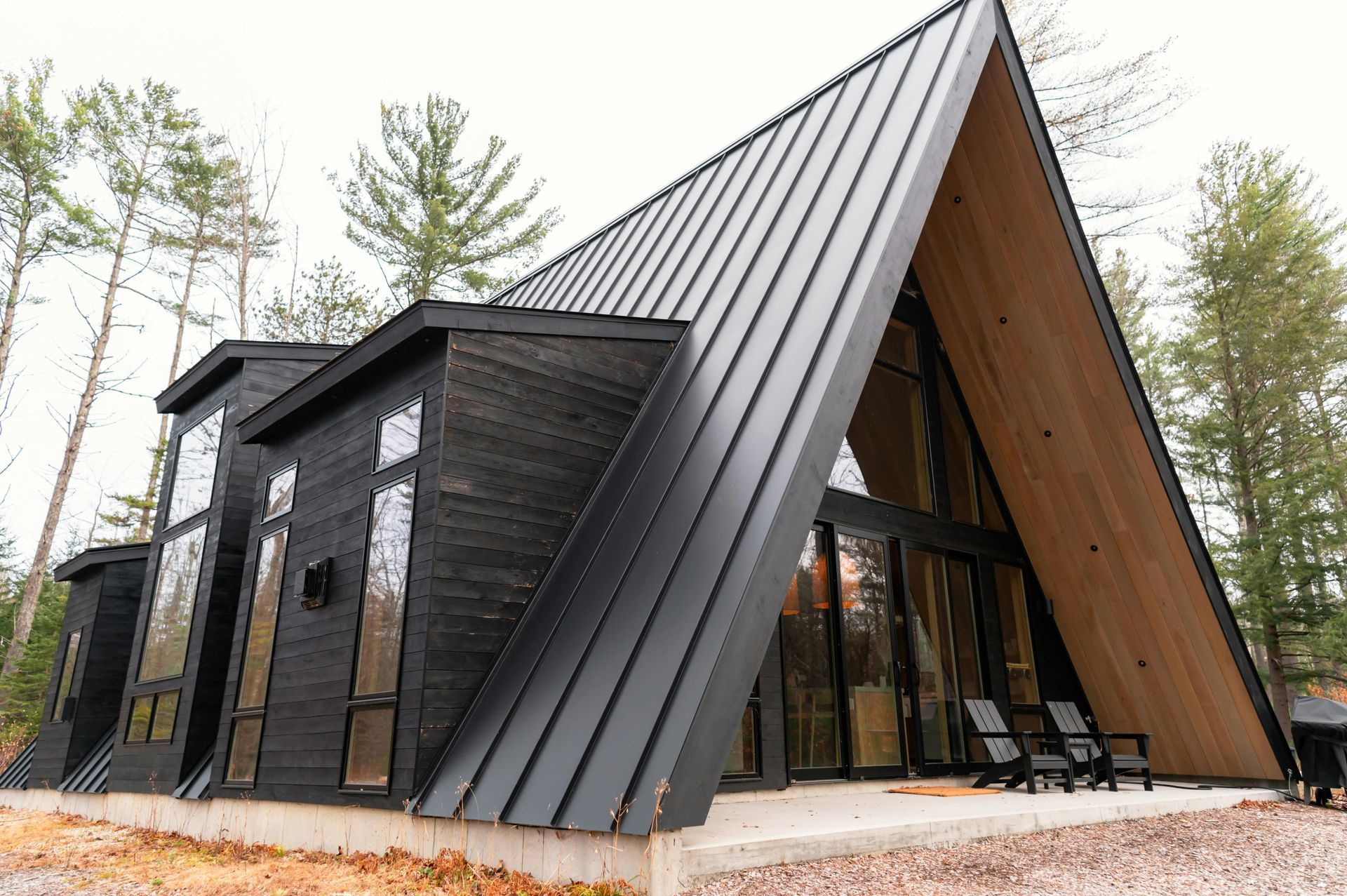
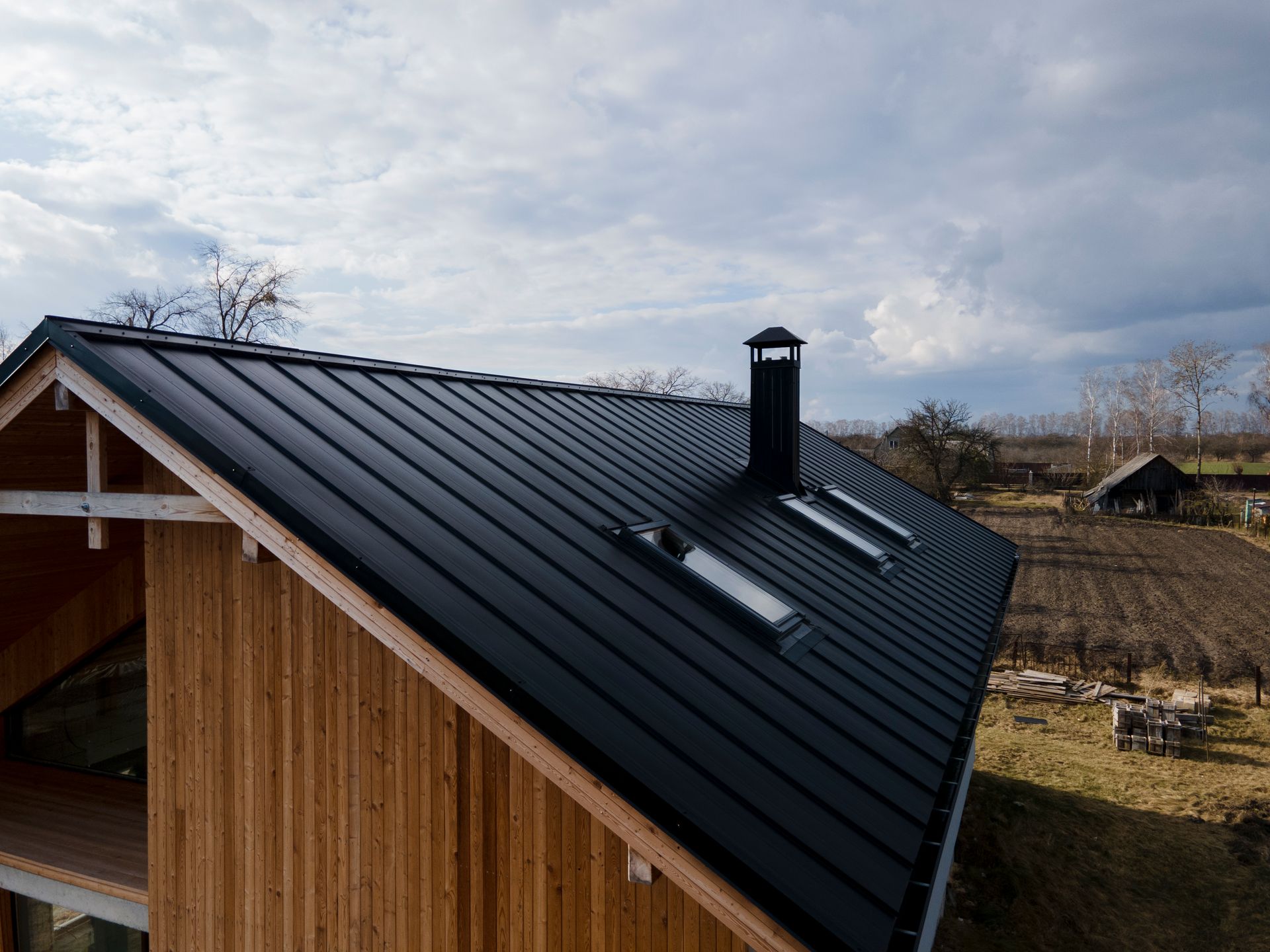
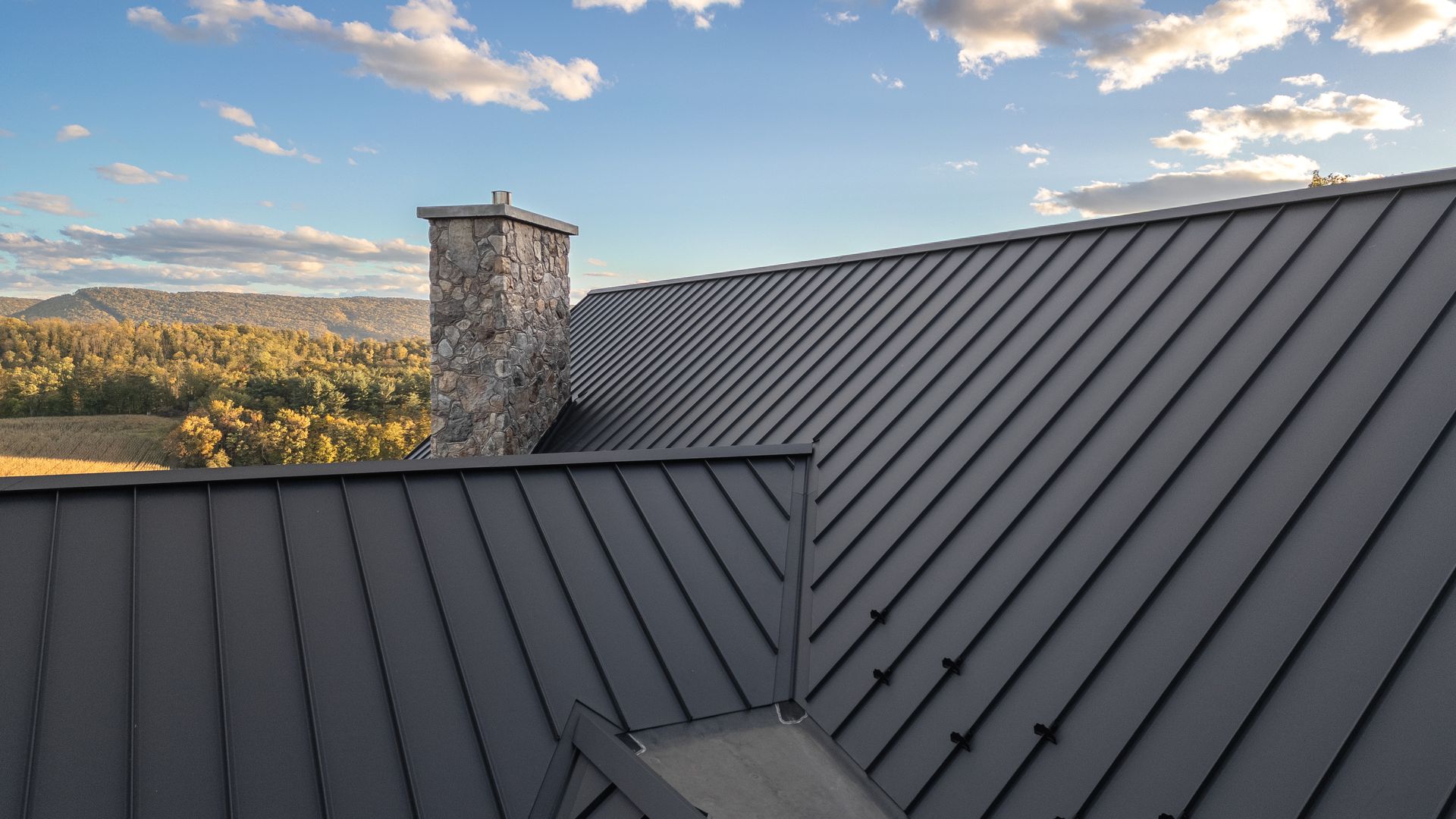
Standing seam metal roofing eliminates the mechanics of that failure completely. Midtech panels are roll-formed from solid Galvalume steel and joined with raised, mechanical seams. Every fastener is concealed beneath the panels, meaning no exposed screw heads to back out and no overlapping tabs for wind to catch. The surface is continuous from ridge to eave, keeping driving rain and wind-blown frost completely outside the building envelope.
Foliage, Acidic Runoff, and Drainage Performance
Properties surrounded by mature hardwoods in Pine Grove Mills or Pleasant Gap face a secondary issue every October: heavy organic debris.
Wet leaves and pine needles do not just clutter gutters; they hold moisture against the roof surface. As leaves decompose, they release natural tannic acids. On asphalt shingles or cedar shake, this constant acidic dampness breaks down the protective binders, encourages moss growth, and leaves stubborn dark streaks across the roofline.
Standing seam panels avoid this due to their smooth vertical profile and industrial-grade Kynar 500 finishes. Debris washes off naturally with standard rain rather than sticking to textured granules. The factory-applied resin coating is chemically inert, so organic acids, tree sap, and decaying leaf litter will not etch, stain, or degrade the steel.
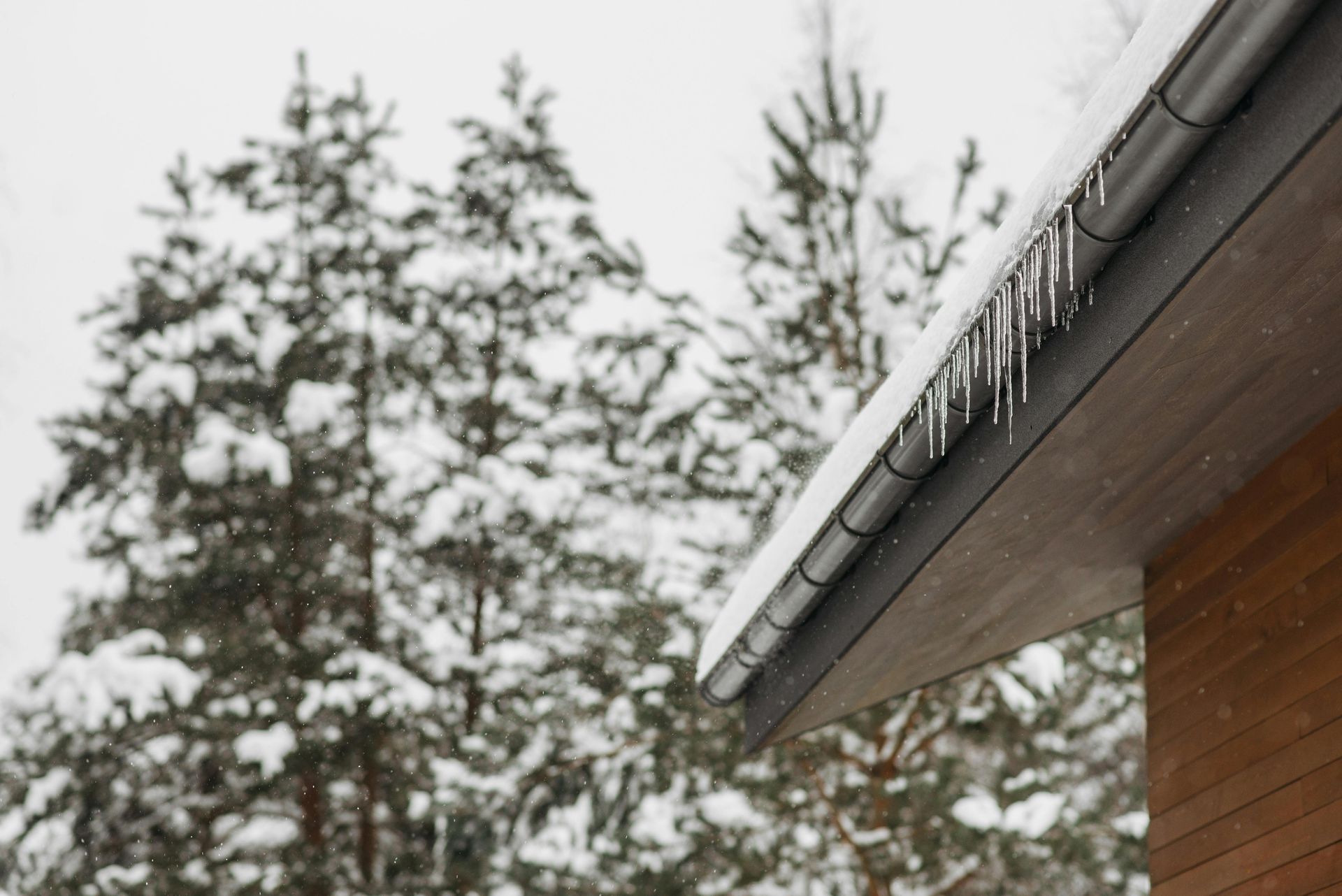
Pairing that surface with custom copper gutters solves the drainage side of the equation. Standard aluminum gutters tend to flex, pull away, or split at the seams under the combined weight of wet leaves and freezing slush. Heavy-gauge copper features soldered, watertight joints that easily bear high seasonal loads. Visually, the natural patina of copper works exceptionally well against stone and timber exteriors, providing an architectural finish that looks intentional rather than purely utilitarian.
Calculating Snow Loads and Surface Movement
Snow management on a metal roof requires upfront planning, particularly for properties situated at higher elevations around Port Matilda and Stormstown.
Because high-performance metal panels have a low-friction surface, accumulated snow sheds quickly once temperatures rise. On an unmanaged roof, a heavy snow blanket can slide off all at once, threatening delicate ground-level landscaping, exterior lighting, or pedestrian walkways below.
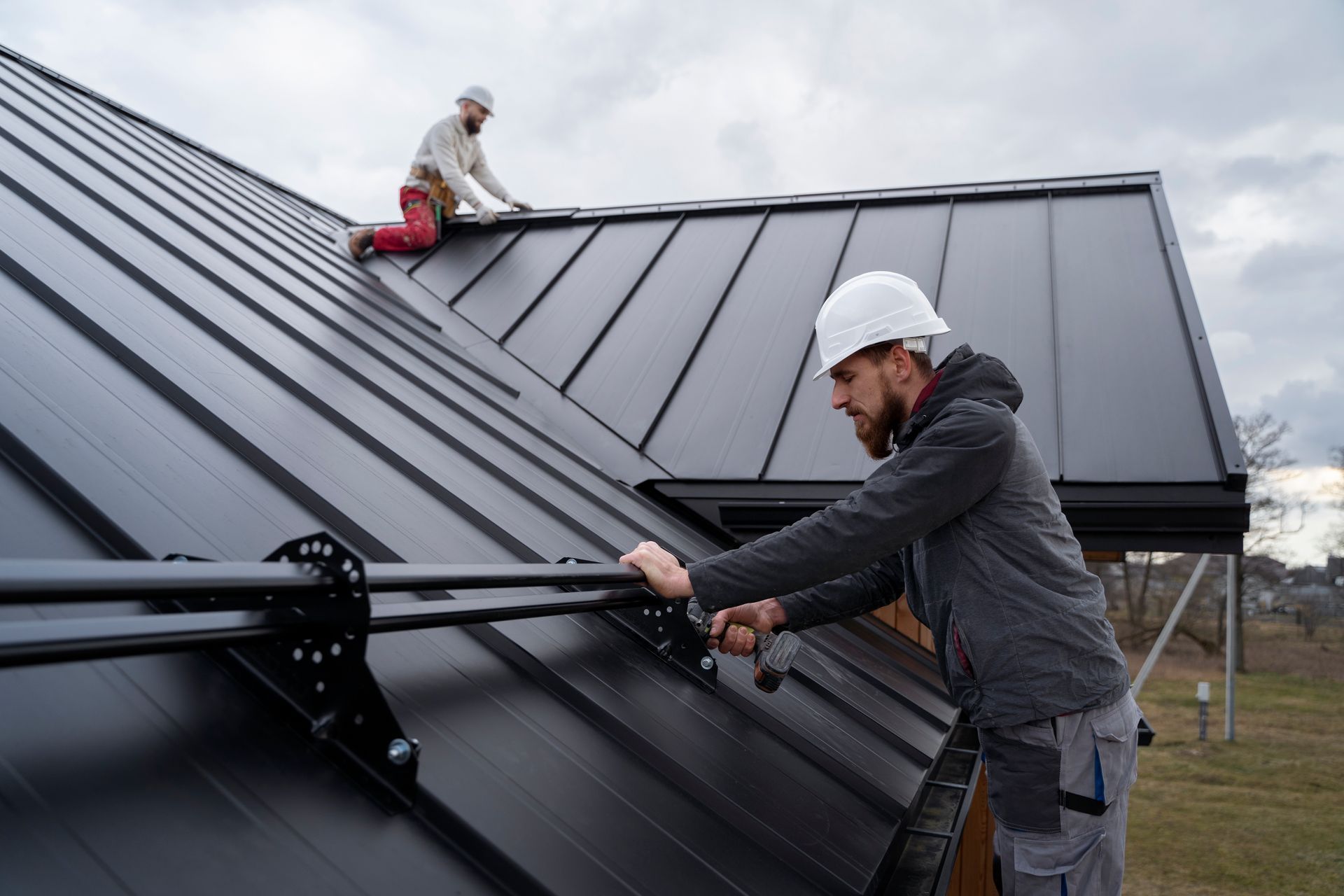
We design standing seam installations with integrated, non-penetrating snow retention systems. These guards clamp directly to the raised vertical seams using heavy-duty structural brackets. They hold the snow pack stable so it melts off evenly through your gutter system, rather than sliding down in a sudden sheet. Because the clamps grip the standing seam without penetrating the metal, the watertight warranty and physical panel integrity remain completely intact.
The panels are also installed on floating clips, allowing the steel to expand and contract smoothly as temperatures swing between freezing nights and sunny afternoons. There is no buckling, no popped fasteners, and no structural strain on the deck.
An Engineered Standard for Modern Estates
When building or renovating a legacy property, you want materials that hold up without constant oversight. Midtech standing seam roofs are specified by builders and architects because they replace temporary fixes with permanent engineering.
If you are reviewing your property’s exterior performance this fall or working through blueprints for an upcoming build, our team is always happy to talk through specifications. We can walk your site, review panel profiles, and help you select the exact gauge, color, and drainage configuration that fits your architecture. Reach out whenever you are ready to discuss your plans.