The Mountain Factor: Why Building on a Central PA Ridge Changes Everything About Your Roof
Build a roof that stands up to Central Pennsylvania mountain weather
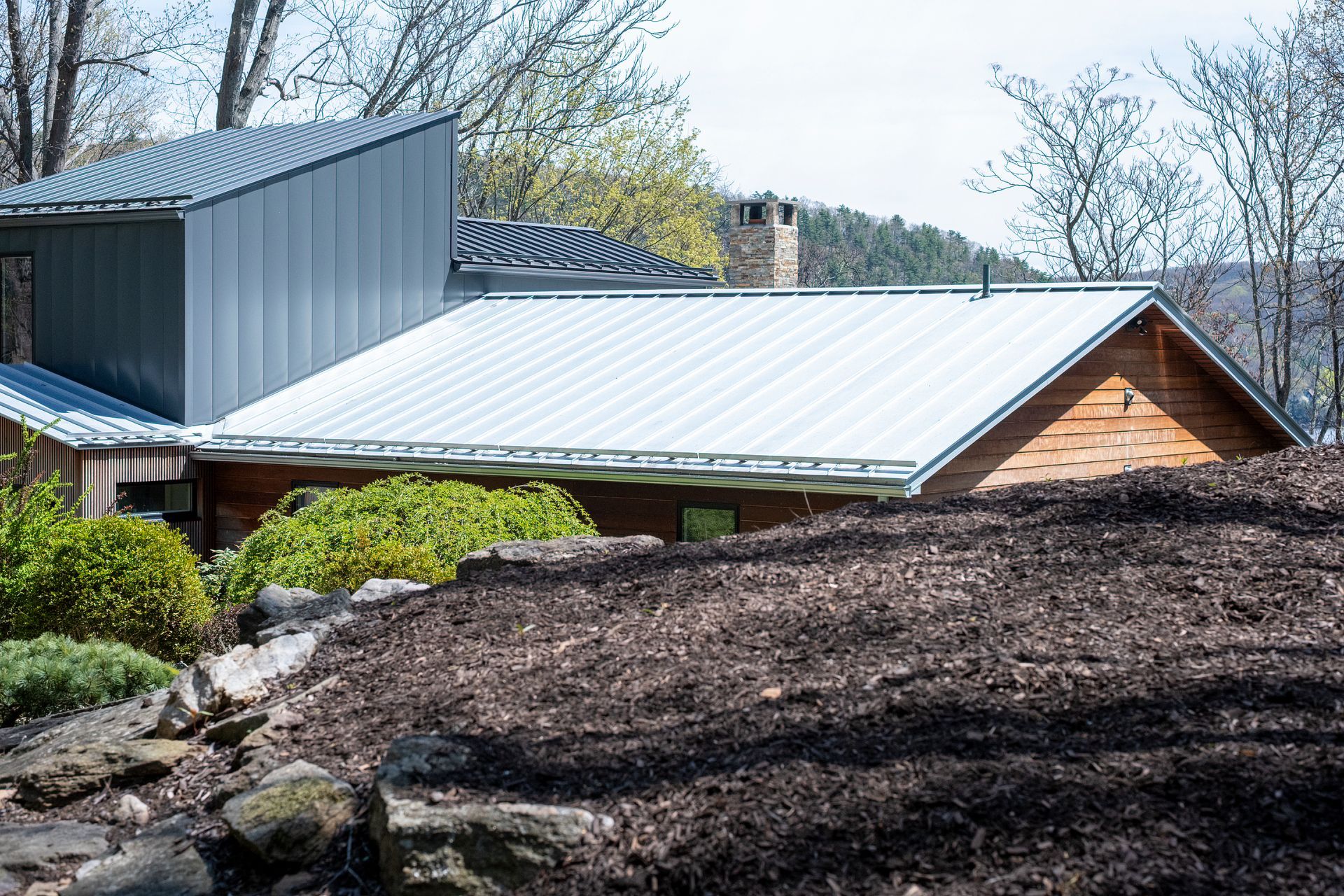
There is something undeniable about waking up to an autumn morning in Central Pennsylvania and looking out over the valley. Whether you built on the elevated ridge lines of Port Matilda, nestled your home into the mature woods around Boalsburg, or selected a rolling parcel outside State College, our region offers some of the most striking custom home sites anywhere in the Northeast.
When you design an estate to take full advantage of those panoramic views, your home interacts with nature in a very different way than a standard house in town. Up on the ridges and tucked into our limestone valleys, weather is an active participant in everyday life. The sharp wind that picks up across Bald Eagle Valley, the heavy morning frost that sits quietly in Center Hall, and the dramatic autumn temperature swings all test your building envelope daily.
If you are planning or refining a forever home here, understanding how our local terrain affects your roofline is one of the smartest ways to protect your investment for decades to come.
The Valley Mist vs. The Ridge Wind
Anyone who has lived in this area for a season or two knows that our local forecast is rarely one-size-fits-all. What is happening in downtown Bellefonte might be entirely different from the conditions twenty minutes away in Pine Grove Mills.
If your property sits down in the valleys of Lemont or Boalsburg, September mornings bring dense, cool air and lingering dew. Traditional roofing materials like asphalt shingles or wood shakes act like sponges in those damp pockets. They absorb that early moisture, and when the midday sun finally breaks over Mount Nittany, the surface heats up fast. That continuous cycle of soaking and rapid baking causes standard shingles to curl, shed granules, and foster unsightly moss and lichen.
Up on the ridges near Port Matilda and Stormstown, the challenge flips entirely. Beautiful open views mean your home takes the brunt of prevailing winds. When autumn cold fronts blow through, wind speeds up as it climbs the mountainside, creating powerful uplift forces that try to peel building materials away from the deck. Standard shingles rely on thin adhesive strips to hold on, which is why a windy night often leaves shingles scattered across the lawn.
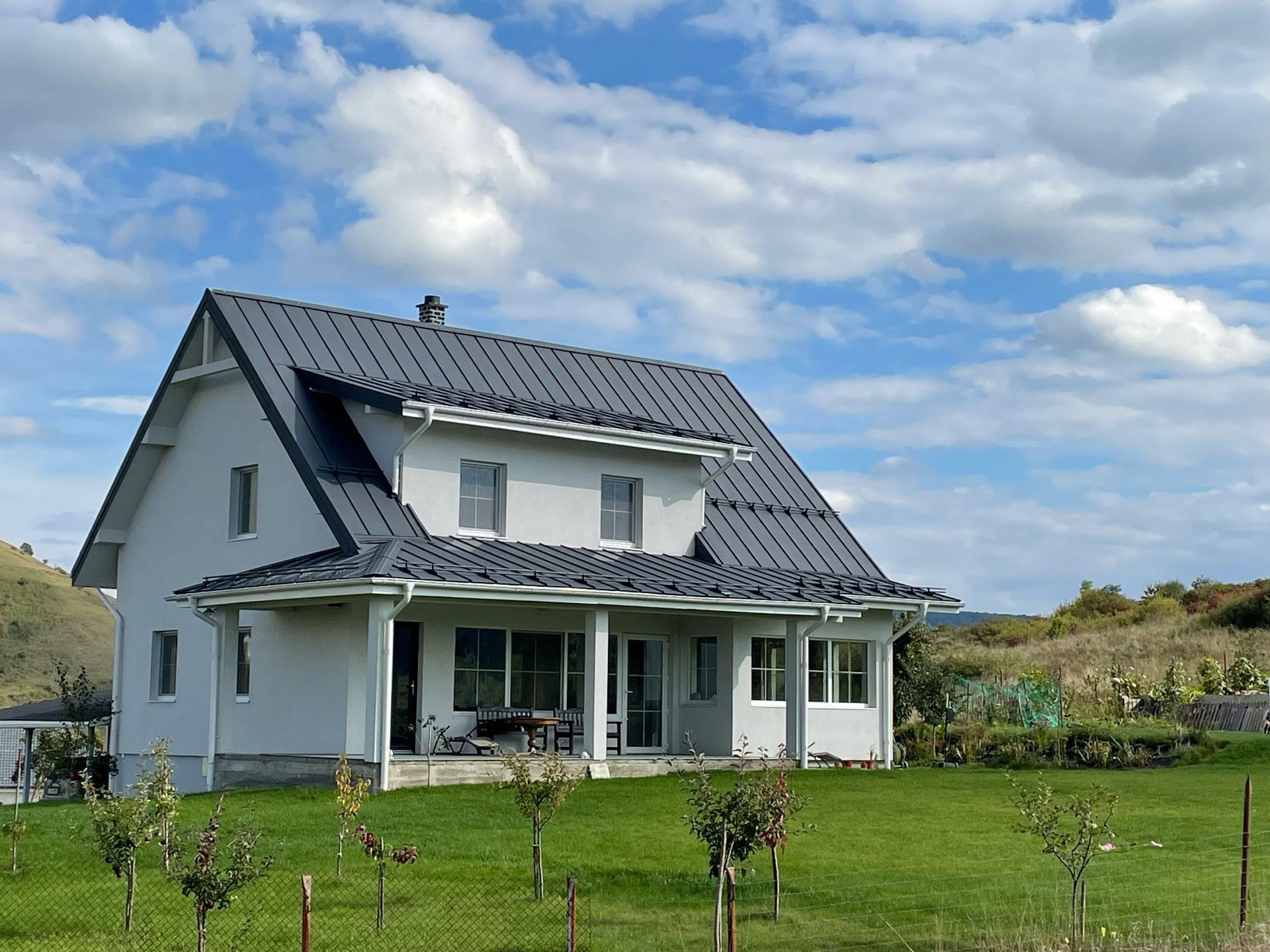
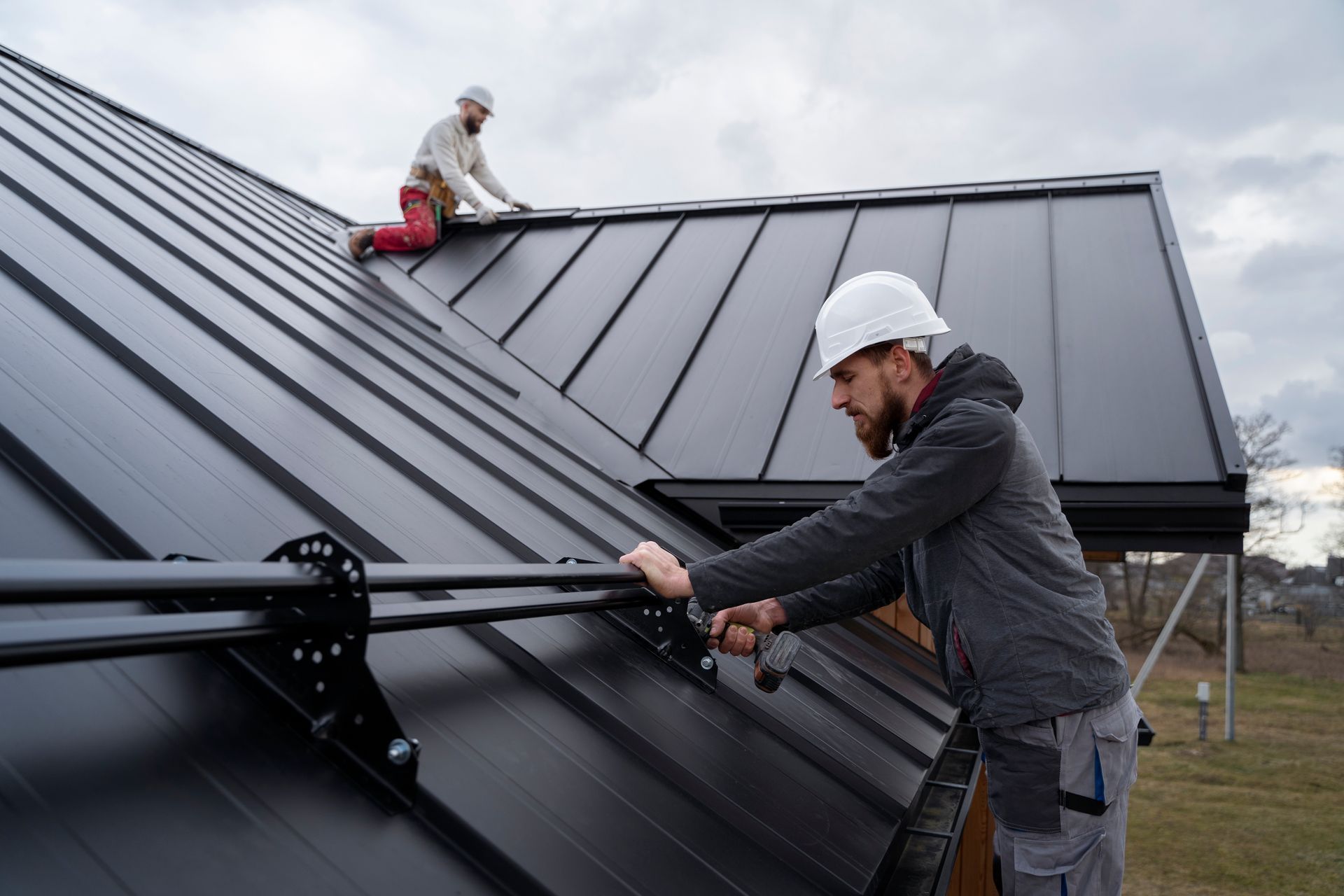
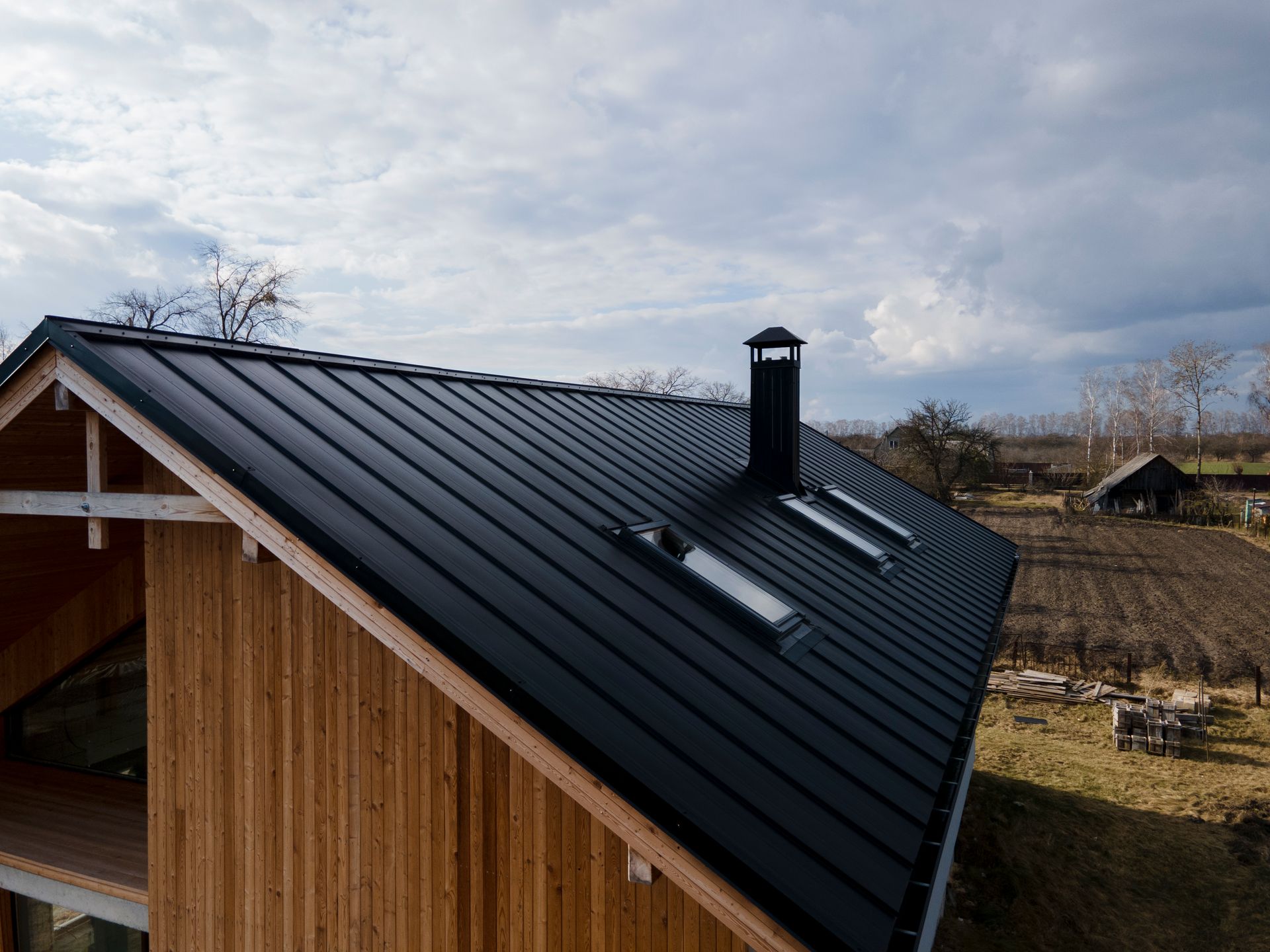
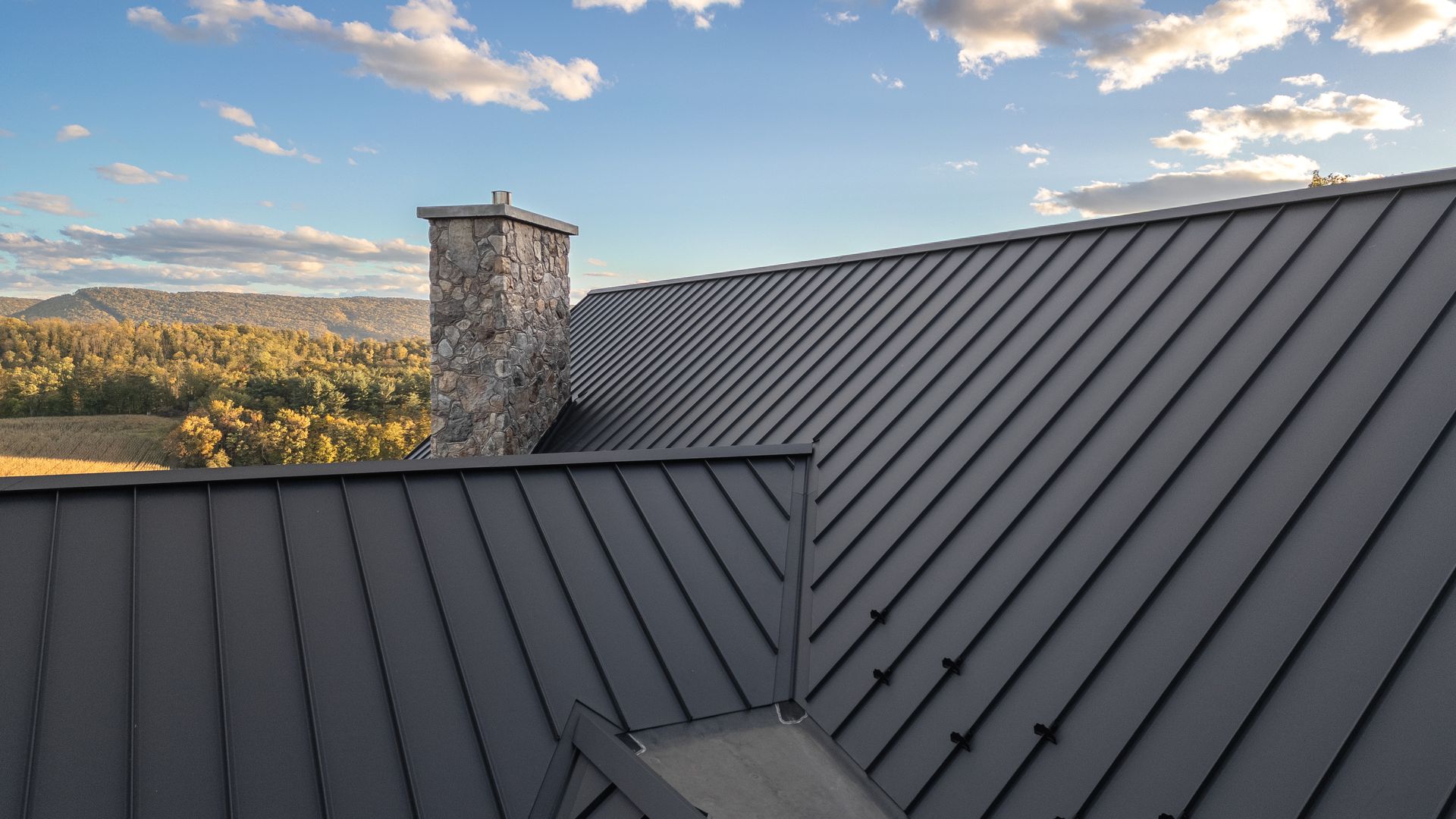
A Midtech standing seam roof handles both extremes effortlessly. The solid steel panels are completely non-porous, meaning morning valley moisture simply beads up and runs off into your gutters without ever penetrating the material. For ridge homes, the panels lock together with mechanical standing seams secured by heavy-gauge, hidden structural clips. It creates a unified, incredibly strong surface that laughs off the high-wind gusts that strip standard roofs.
Handling the Forty-Degree Autumn Swing
Central Pennsylvania in September is famous for crisp mornings that require a fleece, followed by afternoon sun that feels like mid-summer. Temperatures can jump forty degrees between sunrise and two in the afternoon.
Every building material expands when it gets warm and contracts when it cools. On an ordinary metal roof, installers drive thousands of exposed screws straight through the metal. As the panels heat up and expand, they pull against those rigid screws. Over several seasons, that constant push and pull wallows out the screw holes, loosening the rubber washers and creating the very leak points you paid to avoid.
Our standing seam systems are engineered specifically for this movement. The panels are anchored using a clever hidden clip system that lets the metal float naturally. As the sun warms your roof on an autumn afternoon, the panels slide smoothly along the clips, expanding without friction. When the evening chill sets in, they contract right back into place. Your roof breathes with the local climate, keeping the exterior envelope completely watertight for fifty to seventy-five years without a single exposed screw hole.
Living Under the Forest Canopy
Many of the finest homes in our area are built right along the tree line, under deep canopies of native oaks, maples, and hemlocks. This creates incredible privacy and natural summer shade, but by late September, it also means a steady shower of leaves, twigs, and pine needles.
When wet autumn leaves sit on a standard asphalt roof, they trap moisture and release natural tannic acids as they break down. Over time, that acidic moisture eats away at the asphalt binders, leading to discoloration, mold, and premature decay.
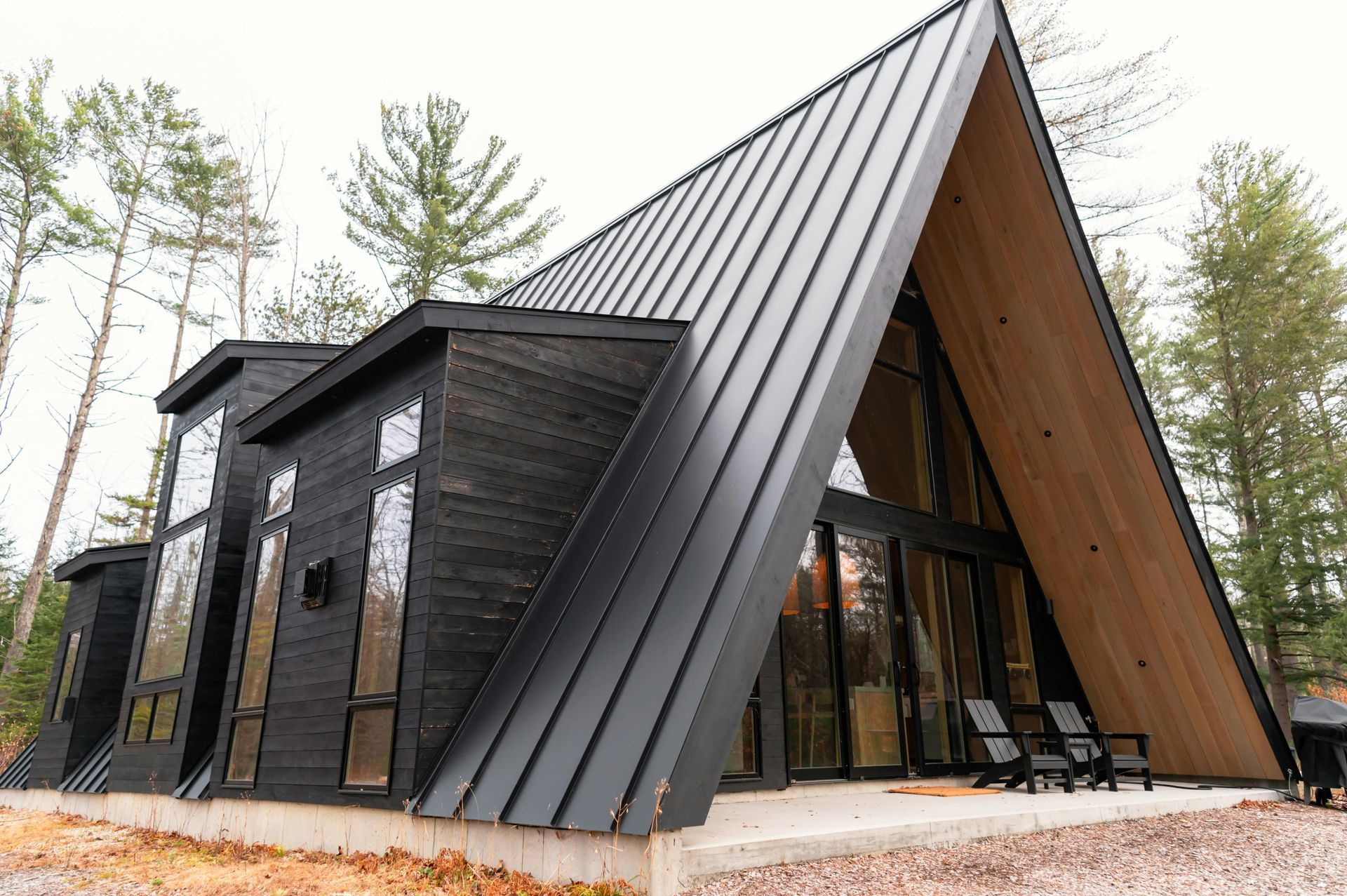
Standing seam panels, by contrast, feature a smooth, vertical plane finished with high-performance Kynar resin coatings. Debris has a much harder time catching, and the next steady rain naturally washes the surface clean. The coatings are chemically inert, so falling leaves, tree sap, and acidic organic matter will not stain, discolor, or degrade the finish. Your roof maintains its clean, architectural presence year after year, no matter how many oak trees surround your property.
Built Once, Enjoyed for a Lifetime
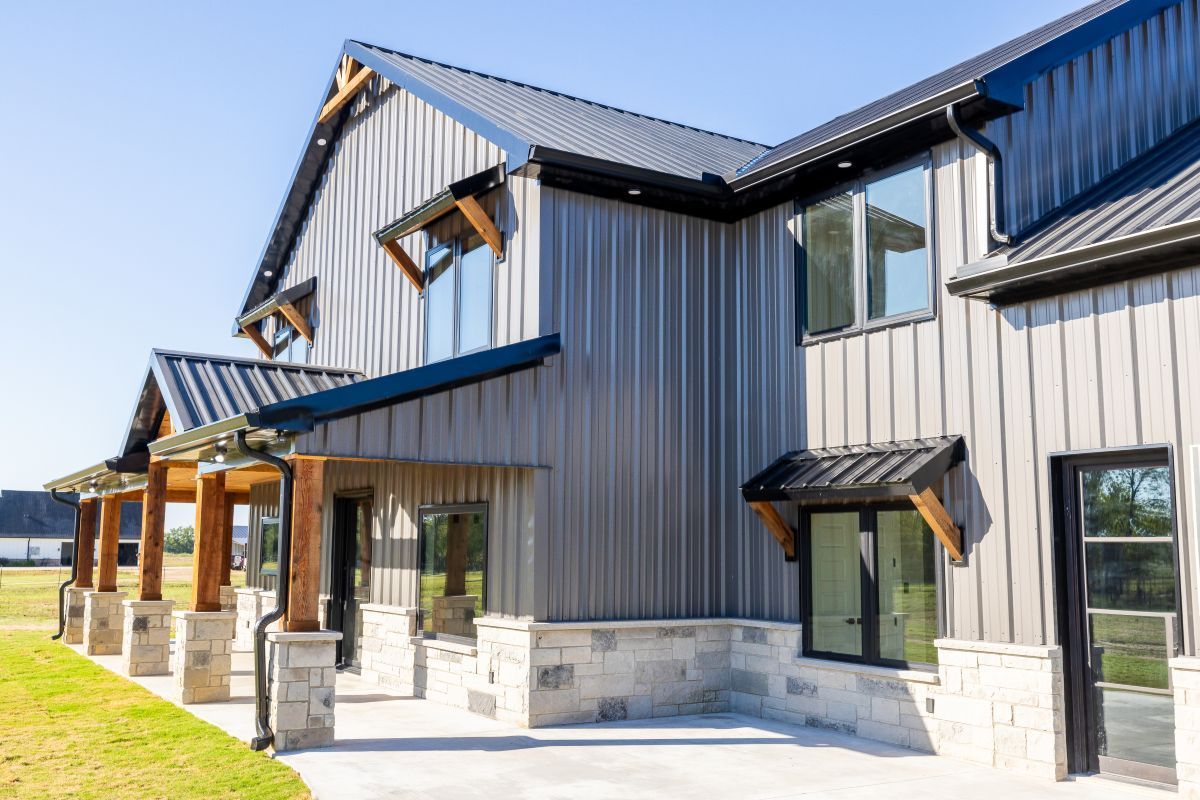
Building a custom home should be an exciting milestone, not the start of a never-ending maintenance schedule. The terrain and microclimates across Pleasant Gap, State College, and the surrounding gaps demand a roof designed from day one to handle real Pennsylvania weather.
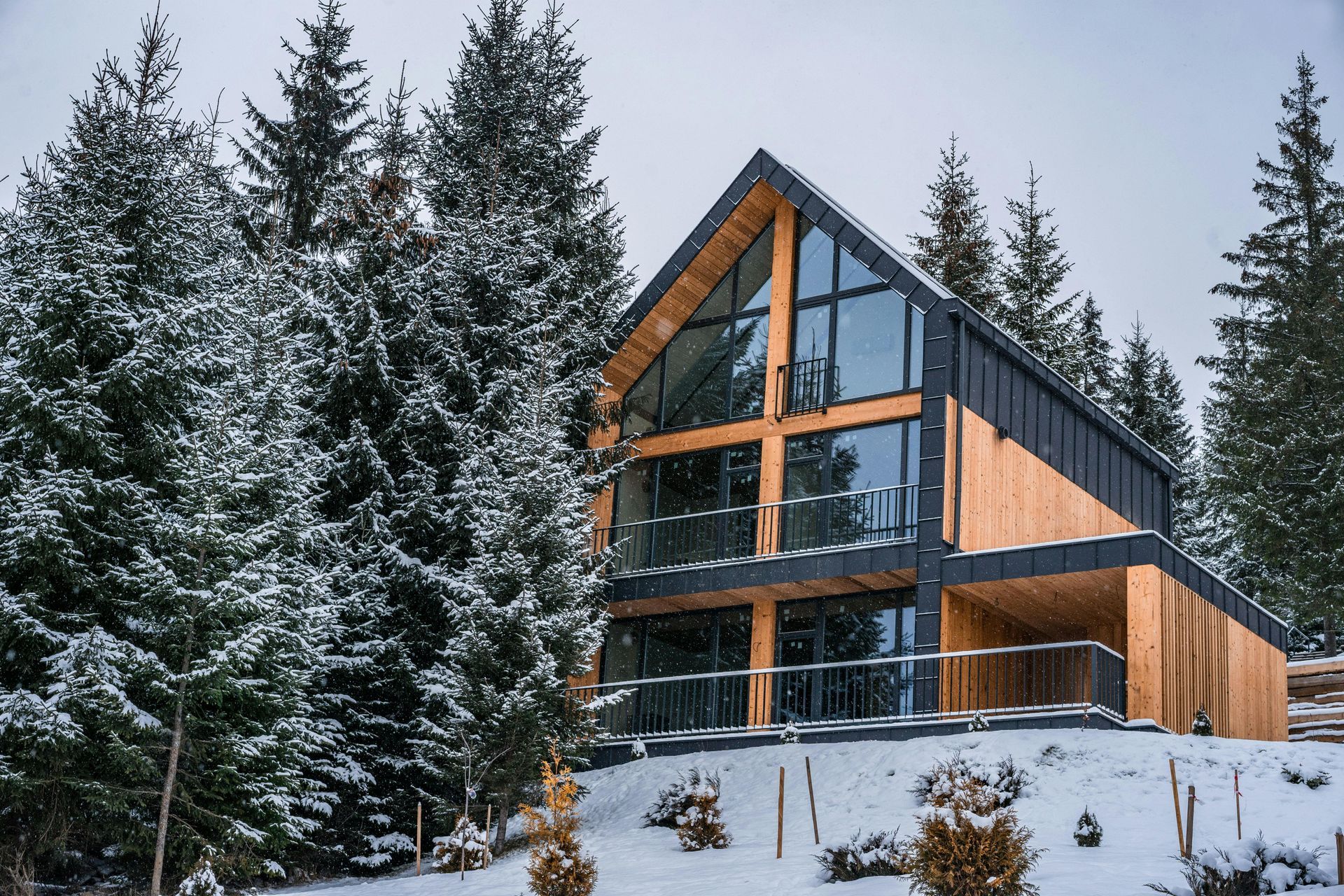
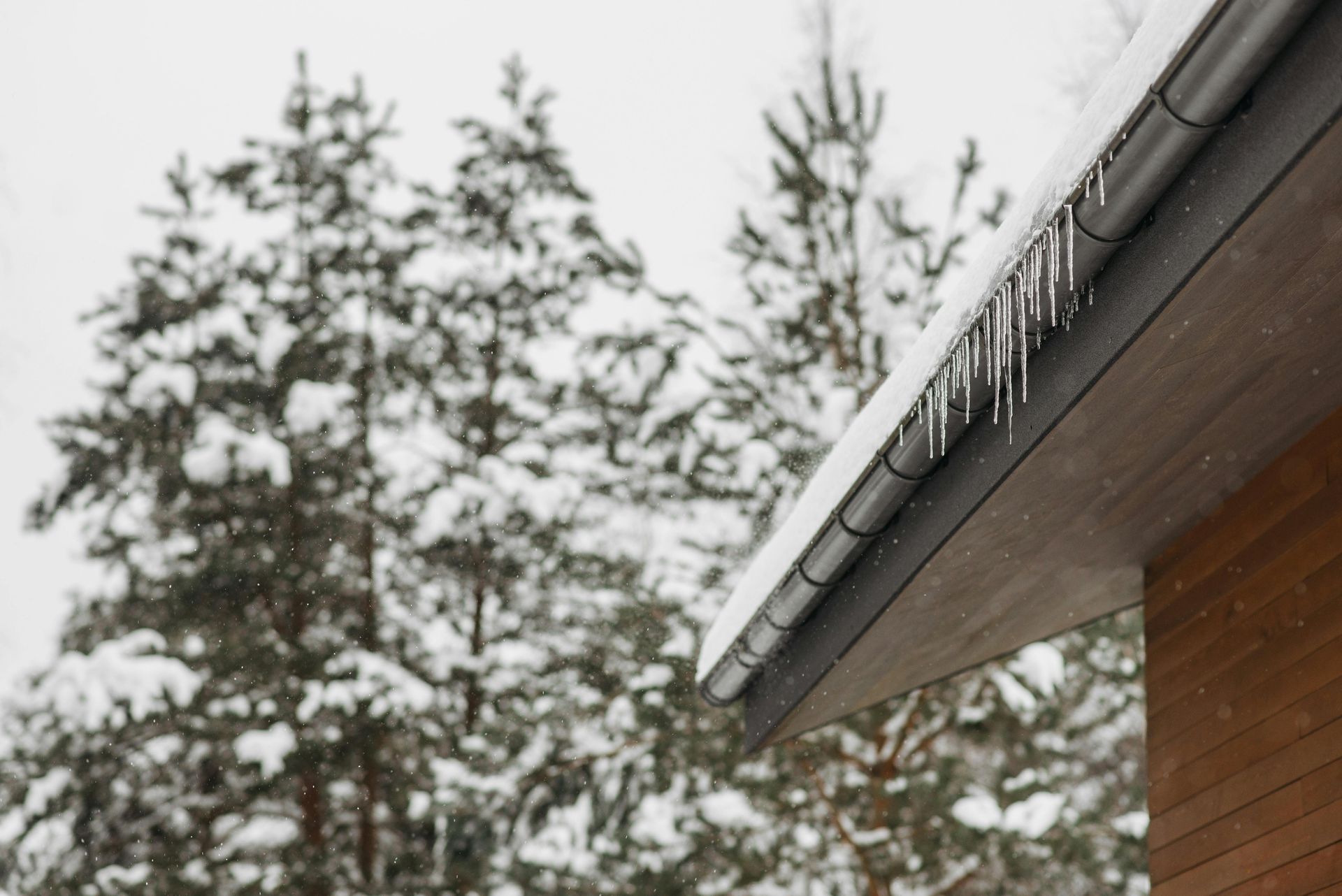
A Midtech standing seam roof gives you the quiet confidence that your home is secure against whatever the seasons bring, whether that is high mountain winds, heavy valley snow, or forty-degree daily swings. It looks timeless, performs quietly, and lets you enjoy the property you worked hard to build.
If you're mapping out a new build or considering an upgrade, we would be delighted to chat through your site plans. Every piece of land has its own personality, and we love helping local homeowners find the exact profile, color, and engineering details that make their home stand out for all the right reasons. Feel free to reach out anytime to see what is possible.